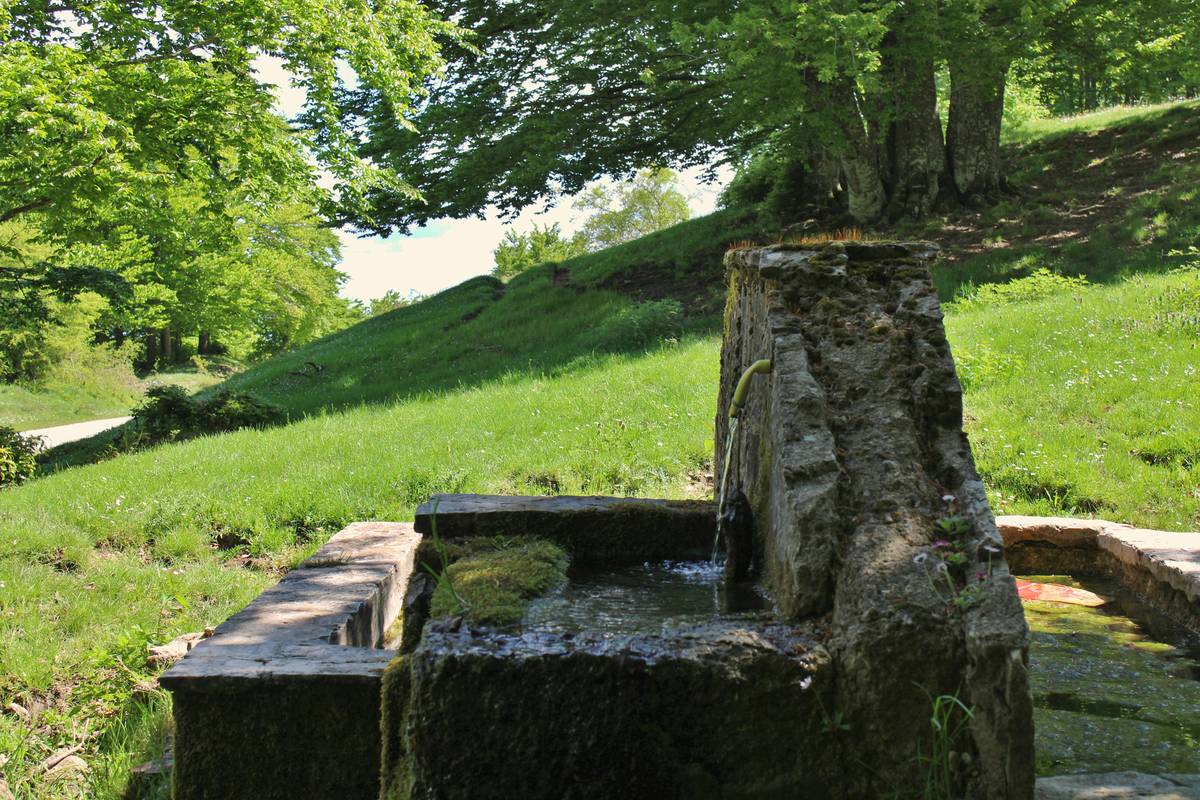
Ever stood in your Phoenix backyard on a 108°F afternoon, dreaming of the gentle splash of water cutting through the desert heat? You’re not alone. But here’s the painful truth: I once installed a gorgeous stone fountain only to watch it crack by monsoon season—because I ignored local climate realities. If you’re searching for outdoor fountains Phoenix solutions that actually survive (and thrive) in our unique environment, you’ve come to the right place. In this guide, we’ll walk through everything from material selection to water conservation hacks, all tailored to the Sonoran Desert. Plus, you’ll get real-world examples, insider mistakes to dodge, and actionable steps to create your own oasis without wasting a drop—or a dime.
Table of Contents
- Why Phoenix Needs Smart Fountain Planning
- Step-by-Step Guide to Installing Your Phoenix Fountain
- Best Practices for Maintaining Desert-Friendly Fountains
- Real Phoenix Fountain Success Stories
- Frequently Asked Questions
Key Takeaways
- Choose heat- and mineral-resistant materials like fiberglass, ceramic, or sealed concrete—not porous stone.
- Position fountains in partial shade to reduce evaporation and algae growth.
- Use recirculating pumps with timers to conserve water—a must in drought-prone Arizona.
- Winterize before rare freezes; summer-proof against monsoon debris.
- Avoid “self-install” kits that skip filtration—they clog fast in dusty desert air.
Why Phoenix Needs Smart Fountain Planning
Phoenix isn’t just hot—it’s extreme. With over 300 days of sunshine, hard water laden with minerals, and sudden monsoons that dump dust and debris, generic outdoor fountains fail fast here. The average evaporation rate in summer can hit 1/4 inch per hour, meaning your fountain could run dry in a single afternoon if undersized. And let’s not forget: Arizona Department of Water Resources strongly encourages smart outdoor water use, making efficient design non-negotiable.
Step-by-Step Guide to Installing Your Phoenix Fountain
1. Choose the Right Location
Avoid full sun exposure—place near a pergola or under a palo verde tree for dappled shade. This reduces water loss and prevents UV degradation of plastic components.
2. Select Climate-Appropriate Materials
Ditch unsealed limestone or sandstone—they absorb minerals and spall in freeze-thaw cycles (yes, Phoenix gets occasional frosts!). Opt for fiberglass, glazed ceramic, or powder-coated metal. These resist scaling and cracking.
3. Size Your Pump Correctly
Calculate gallons per hour (GPH) based on fountain height. Rule of thumb: multiply total height (in feet) by 100. For a 3-foot fountain, you need ~300 GPH. Oversized pumps waste energy and accelerate evaporation.
4. Install a Filtration System
Desert dust clogs impellers fast. Use a mesh pre-filter and clean it weekly during monsoon season (July–September).
5. Conceal Wiring and Plumbing
Bury conduits at least 6 inches deep to avoid damage from gardening tools—and always call 811 before digging.
Best Practices for Maintaining Desert-Friendly Fountains
- Top off water daily in summer: Use a rain gauge to monitor evaporation.
- Deep-clean monthly: Scrub with vinegar (not bleach—it corrodes metal).
- Winterize in December: Drain lines, store pumps indoors if temps drop below 32°F.
- Add aquatic plants sparingly: Water lilies look great but increase maintenance; stick to floating moss for low-effort greenery.
And here’s a terrible tip you’ll see online: “Just add algaecide weekly.” Don’t. Many algaecides contain copper sulfate, which builds up in Phoenix’s alkaline soil and harms nearby plants. Vinegar + sunlight is safer and just as effective.
Real Phoenix Fountain Success Stories
The Garcia family in Scottsdale replaced their cracked concrete fountain with a tiered fiberglass model shaded by a ramada. By adding a timer (running 6–10 AM and 6–9 PM), they cut water use by 40% while enjoying consistent sound year-round. Their secret? Monthly vinegar soaks and a DIY leaf screen made from window screen mesh.
Similarly, a Tempe HOA installed solar-powered bubblers in common areas. According to their 2023 sustainability report, these units used 60% less electricity than grid-tied models and required zero maintenance during summer blackouts.
Frequently Asked Questions
What’s the best material for outdoor fountains Phoenix homeowners should use?
Fiberglass and sealed concrete outperform natural stone in Phoenix’s climate due to low porosity and resistance to thermal shock.
How much water do outdoor fountains Phoenix typically lose to evaporation?
In peak summer, small fountains can lose 1–2 gallons per day. Larger features may lose 5+ gallons—making recirculation systems essential.
Can I install an outdoor fountain Phoenix myself?
Yes, but only if you follow local plumbing codes. For electrical pumps, hire a licensed electrician—we detail safety standards on our About Us page.
Do outdoor fountains Phoenix attract mosquitoes?
Not if water circulates continuously. Stagnant pools invite pests, but moving water repels them naturally.
Where can I find reputable fountain installers in Phoenix?
Check the Arizona Registrar of Contractors database or contact us directly via our Contact Us page for vetted partners.
How do I protect my fountain during monsoon season?
Install a removable mesh cover to block tumbleweeds and palm fronds. Also, ensure your basin has overflow drainage to prevent flooding.
Creating serene outdoor fountains Phoenix residents love isn’t about grandeur—it’s about resilience. By respecting our desert rhythms, you’ll build a feature that cools, calms, and lasts. Ready to start? Reach out through our Contact Us page for a free site assessment. And remember: in the desert, every drop sings—make yours count.