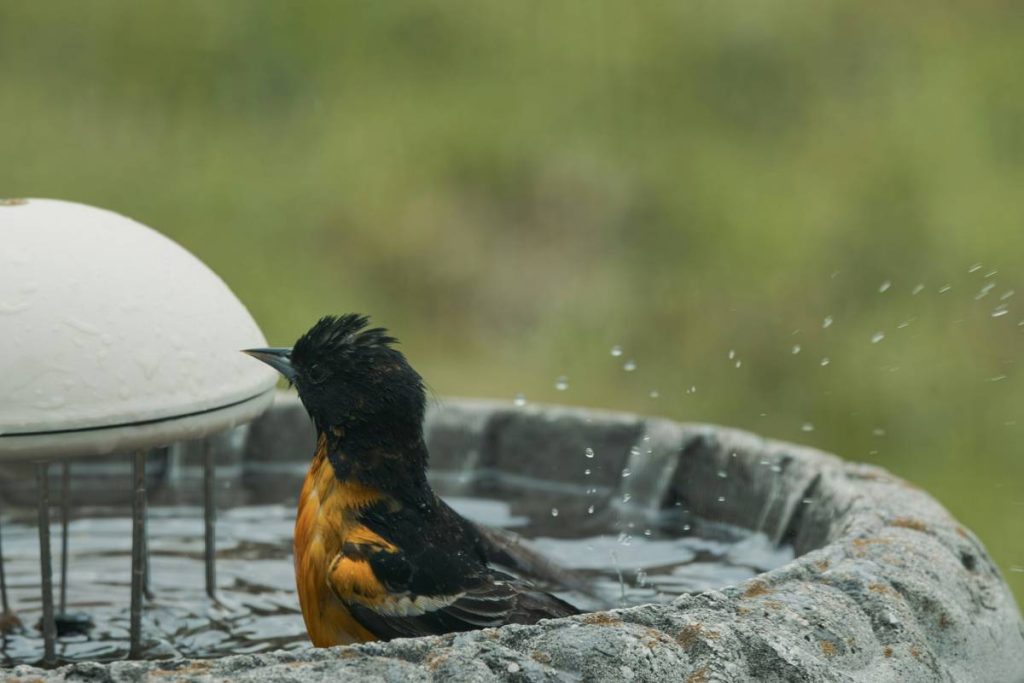
Ever spent a weekend installing a stunning outdoor fountain only to discover it’s louder than your neighbor’s leaf blower—or worse, it leaks all over your patio by Tuesday? You’re not alone. As someone who once cracked a $300 stone basin by skipping the level-check (lesson learned the hard way!), I know how easy it is to overlook the tiny details that make or break your outdoor fountains and waterfalls water fountain setup. In this guide, we’ll walk through everything you need—from smart material choices to noise-reducing tricks—so your backyard oasis stays serene, efficient, and stunning year-round.
Table of Contents
- Why Outdoor Fountains Matter in Home Improvement
- Step-by-Step Setup Guide
- Top Best Practices for Long-Term Enjoyment
- Real-World Examples That Work
- Frequently Asked Questions
Key Takeaways
- Proper leveling prevents structural stress and premature wear.
- Recirculating pumps with adjustable flow rates save energy and reduce noise.
- Regular maintenance beats emergency repairs every time.
- Natural stone and fiberglass offer durability; cheap resin often fails within two seasons.
- Strategic placement enhances both visual appeal and acoustic comfort.
Why Outdoor Fountains Matter in Home Improvement
In today’s home improvement landscape, curb appeal isn’t just about paint colors or porch swings—it’s about sensory experience. A well-placed water feature like an outdoor fountains and waterfalls water fountain adds movement, sound, and tranquility that static decor simply can’t match. According to a study by the National Association of Landscape Professionals, properties with thoughtfully integrated water features see up to a 12% increase in perceived value.

But here’s the catch: poorly installed or maintained units become eyesores—or worse, liabilities. I once ignored drainage advice and ended up with a soggy patch that killed my hostas. Don’t be me.
Step-by-Step Setup Guide
1. Choose the Right Location
Avoid placing your fountain under trees (hello, leaf clogs!) or near high-wind zones that cause splashing. Ensure proximity to a GFCI-protected outdoor outlet if using an electric pump. Measure twice—your future self will thank you.
2. Level the Base Like Your Sanity Depends on It
Use a spirit level on a flat board across the entire footprint. Uneven bases cause water to pool on one side, stressing seams and accelerating wear. Concrete pads or compacted gravel work best. Skip this step, and you might as well invite cracks to the party.
3. Install the Pump Correctly
Submersible pumps should sit fully underwater even during low-flow operation. Position the intake away from debris zones. Use flexible tubing rated for outdoor UV exposure—cheap vinyl hardens and cracks within months.
4. Test Before Finalizing Landscaping
Run the system for 24 hours. Check for leaks, unusual vibrations, or uneven flow. Adjust nozzle angles to control spray direction. Only after confirmation should you add decorative rocks or mulch around the base.
Top Best Practices for Long-Term Enjoyment
- Clean monthly: Algae buildup reduces pump efficiency. Use white vinegar (not bleach!) for safe, eco-friendly cleaning.
- Winterize properly: Drain all water and store pumps indoors in freezing climates. Even “frost-resistant” materials can crack when water expands.
- Use a timer: Running your fountain 6–8 hours daily saves electricity without sacrificing ambiance.
- Avoid this terrible tip: “Just use tap water—it’s fine.” Hard water leaves mineral deposits that clog nozzles. Mix in distilled or rainwater when possible.
Real-World Examples That Work
A homeowner in Portland, Oregon installed a three-tiered outdoor fountains and waterfalls water fountain using local basalt stone. By pairing it with a variable-speed pump (recommended by the U.S. Department of Energy for efficiency) and placing it 15 feet from their deck, they achieved soothing background sound without drowning out conversation. After two years, maintenance costs totaled under $25—mostly for seasonal filter replacements.
Compare that to a DIY resin unit from a big-box store placed directly on soil: it tilted within three months, leaked constantly, and was abandoned by summer’s end. Material quality and installation precision matter more than aesthetics alone.
Frequently Asked Questions
How much electricity does an outdoor fountain use?
Most small-to-medium pumps consume 10–100 watts—similar to a lightbulb. Running 8 hours daily costs roughly $3–$8 per month, depending on local rates (EPA WaterSense data).
Can I install an outdoor fountain myself?
Yes! If you follow leveling protocols and use quality components, most units are DIY-friendly. Just avoid complex plumbing or electrical work unless certified.
Do outdoor fountains attract mosquitoes?
No—if water is circulating. Mosquitoes breed in stagnant water. Keep your pump running regularly to prevent this.
What’s the best material for long-lasting fountains?
Fiberglass, cast stone, and copper offer excellent durability. Avoid cheap polyresin—it fades, cracks, and warps under UV exposure.
How often should I change the water?
Top off weekly due to evaporation, but full changes every 2–4 weeks prevent algae. Add natural enzymes (available at garden centers) to extend clarity.
Where can I get personalized fountain advice?
We’ve helped hundreds of homeowners choose the perfect water feature—contact us for a free consultation. And if you’re curious about our team’s background, check out our About Us page. All your data stays secure under our Privacy Policy.
So go ahead—add that gentle splash to your sanctuary. But do it right. Because nothing ruins zen like a gurgling, off-kilter fountain announcing its collapse at 3 a.m. Remember: water flows downhill… unless your base is level. Make yours count.